+86 15633683072
Carbon steel pipes are widely used in industrial piping, energy projects, pressure systems, structural fabrication, and process equipment. When a factory produces hundreds of similar pipe joints, relying entirely on manual welding can make weld consistency difficult to maintain.
Carbon steel pipe welding with an orbital system offers another approach. By controlling torch movement and welding parameters programmatically, manufacturers can reduce operator variation and achieve more repeatable results.
However, successful carbon steel pipe welding depends on more than the machine. Joint preparation, material thickness, welding current, travel speed, shielding gas, and inspection requirements all need to work together.
This guide explains the carbon steel pipe welding procedure, the role of orbital TIG welding carbon steel, and how to select an automatic carbon steel pipe welding machine for production.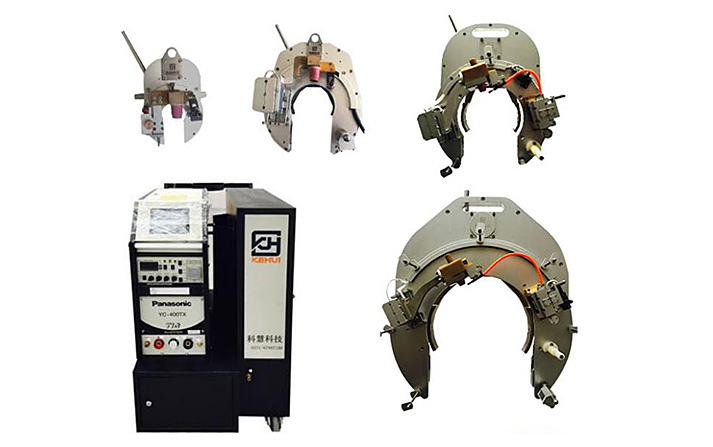
Yes. Orbital TIG welding carbon steel is possible when the pipe material, diameter, wall thickness, joint design, and welding procedure are suitable for the equipment and application.
Orbital welding is particularly useful when a factory repeatedly produces similar pipe joints. Instead of manually controlling torch movement around every joint, an automatic carbon steel pipe welding machine can follow a programmed welding cycle.
The result is greater process repeatability and easier parameter management.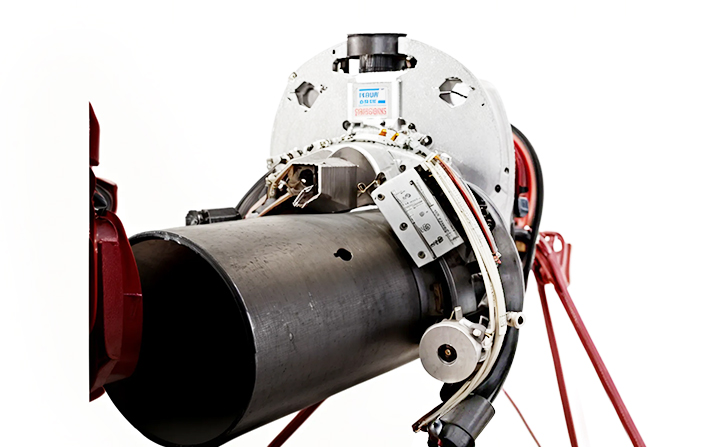
A reliable carbon steel pipe welding procedure normally begins well before the welding arc is started.
The pipe ends should be:
Poor fit-up can cause inconsistent penetration even when the welding parameters remain unchanged.
For suitable applications, orbital TIG welding carbon steel can provide precise control of arc movement and heat input.
TIG is especially useful where weld appearance, penetration control, and repeatability are important.
For larger or thicker pipes, however, the appropriate process may depend on production requirements, wall thickness, joint design, and required deposition rate.
A typical carbon steel pipe welding procedure may include:
There is no universal parameter setting for every carbon steel pipe. The correct values should be developed and validated for the actual material and joint.
Depending on the application, inspection may include:
For critical applications, the welding procedure should be qualified according to the applicable project standard and code.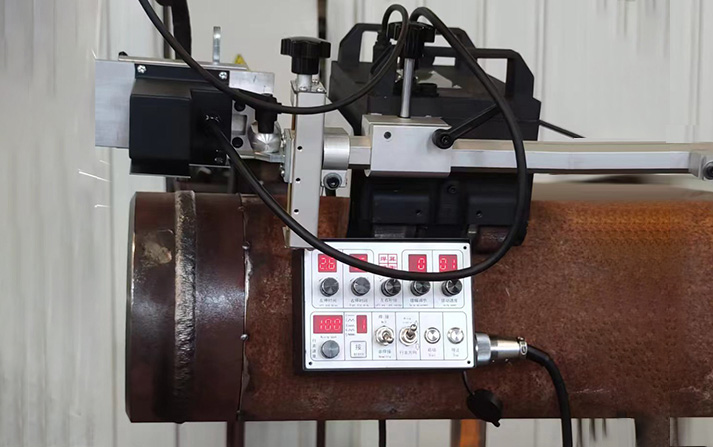
In orbital TIG welding carbon steel, the welding head travels around the pipe while the system controls the programmed welding cycle.
Instead of asking an operator to maintain exactly the same torch speed throughout every joint, the machine controls movement mechanically.
This can be useful for repetitive production because:
For factories performing repetitive carbon steel pipe welding, these advantages can become more important as production volume increases.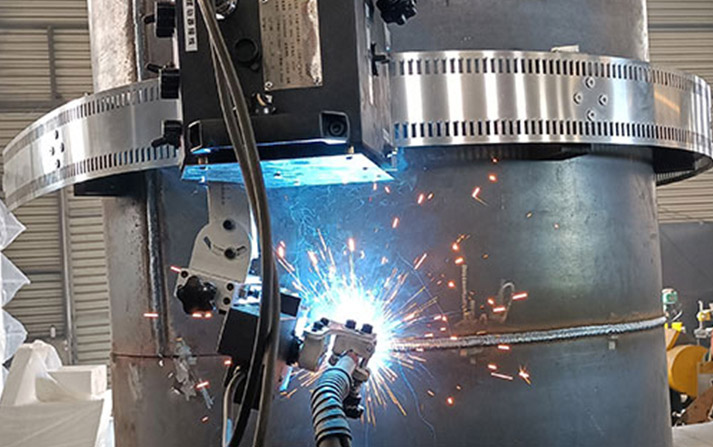
The right automatic carbon steel pipe welding machine depends on the actual production environment rather than simply the maximum pipe diameter listed in a catalog.
Check the machine's actual working range and whether different welding heads or fixtures are required for different diameters.
Thicker carbon steel pipes may require higher heat input, multiple passes, or a different welding configuration.
Butt joints, different bevel configurations, and varying root gaps can require different welding procedures.
For occasional welding, manual equipment may be sufficient. For repetitive production, an automatic carbon steel pipe welding machine can provide greater repeatability.
Some applications can use autogenous TIG welding, while others require filler metal. If filler wire is needed, check whether the machine supports automatic wire feeding.
When comparing an orbital welding machine for carbon steel pipe, look beyond the machine's basic welding current.
Important specifications include:
A machine that performs well on one pipe specification may not automatically be the best solution for another.
Even with an automatic carbon steel pipe welding machine, problems can occur if the overall process is not controlled.
Possible causes include insufficient heat input, excessive travel speed, or incorrect joint preparation.
Porosity can result from contaminated surfaces, inadequate shielding gas, or problems with gas delivery.
Excessive current or inappropriate travel speed can contribute to undercut.
Inconsistent fit-up, changing wall thickness, unstable parameters, or incorrect equipment setup may affect bead consistency.
The best solution is usually to identify the process variable rather than simply increasing welding current.
For production environments, consistent results usually come from controlling the entire workflow:
This approach makes carbon steel pipe welding more predictable and reduces dependence on individual operator technique.
Orbital TIG welding carbon steel is particularly worth considering when:
For highly varied, one-off fabrication or difficult-access joints, manual welding may still be more practical.
The key is matching automation to the production requirement.
High-quality carbon steel pipe welding is a combination of correct preparation, qualified parameters, suitable equipment, and consistent inspection.
A properly developed carbon steel pipe welding procedure provides the foundation, while orbital TIG welding carbon steel can improve repeatability when similar joints are produced repeatedly.
For manufacturers considering an automatic carbon steel pipe welding machine, the most important factors are pipe diameter, wall thickness, joint design, production volume, filler-wire requirements, and required weld quality.
An orbital welding machine for carbon steel pipe should therefore be selected according to the actual production application—not simply based on machine specifications.
Yes. Orbital TIG welding carbon steel can be used for suitable carbon steel pipe applications when the material, diameter, wall thickness, joint design, and welding procedure are properly matched.
A typical carbon steel pipe welding procedure includes pipe preparation, alignment and fit-up, parameter selection, welding, inspection, and documentation. Critical applications require a qualified procedure based on the applicable standard.
Yes. TIG can provide precise arc and heat control, making it suitable for many applications involving carbon steel pipe welding, particularly where weld quality and repeatability are important.
An automatic carbon steel pipe welding machine can control factors such as torch movement, travel speed, welding current, pulse parameters, and, on suitable systems, filler-wire feeding.
Consider pipe diameter, wall thickness, joint design, welding process, production volume, filler-wire requirements, and required inspection standards. The orbital welding machine for carbon steel pipe should match the actual production conditions.
Common causes include insufficient heat input, excessive travel speed, incorrect root gap, poor joint preparation, or inappropriate welding parameters.
Yes. Automation can control repetitive torch movement and welding parameters, reducing variation between operators. However, qualified operators are still needed for setup, inspection, troubleshooting, and process control.
Zhengzhou Kehui Technology Co., Ltd
Email: info@zzkehui.com





 Chinese
 English
 OA
OA Current location:
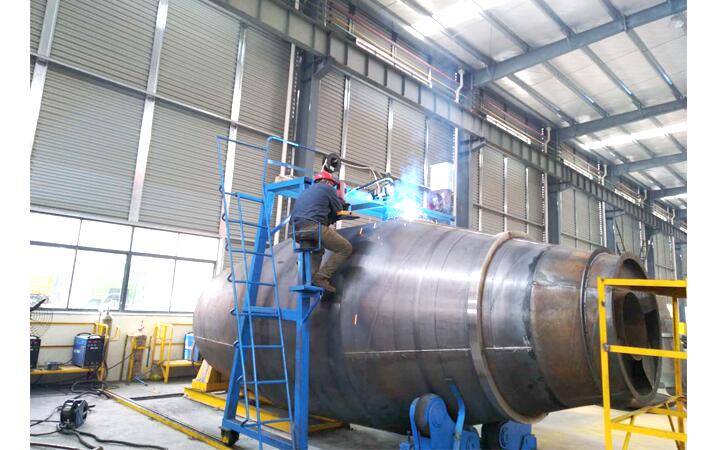 Concrete Mixer Drum Robotic Welding Solutions
 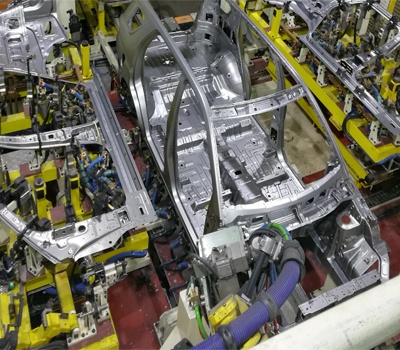 Automobile Body Production Line Welding Fixtures
 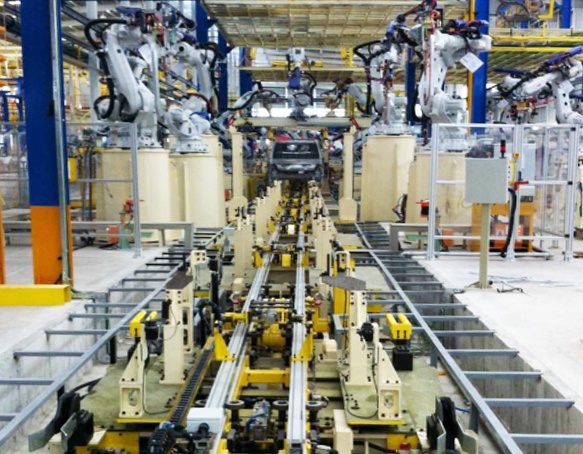 Automotive Body Welding Automated Manufacturing Solutions
 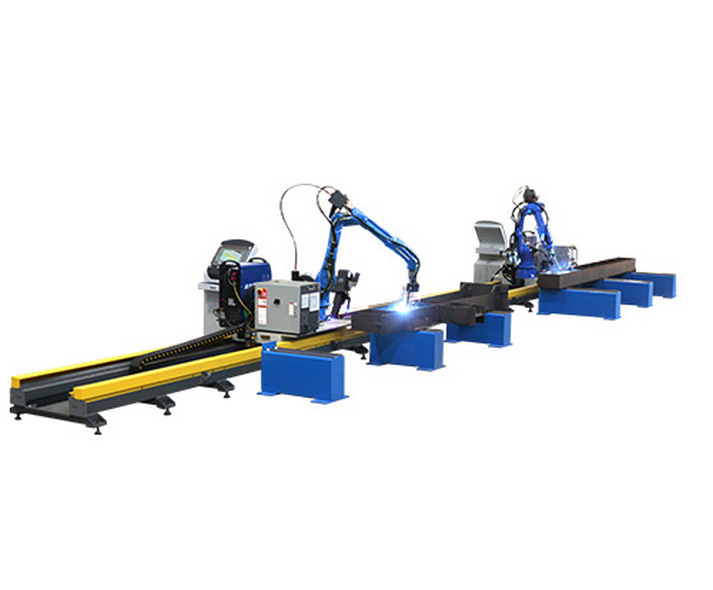 Free-Teaching Programming Welding Robot Cell For I Beam Welding
 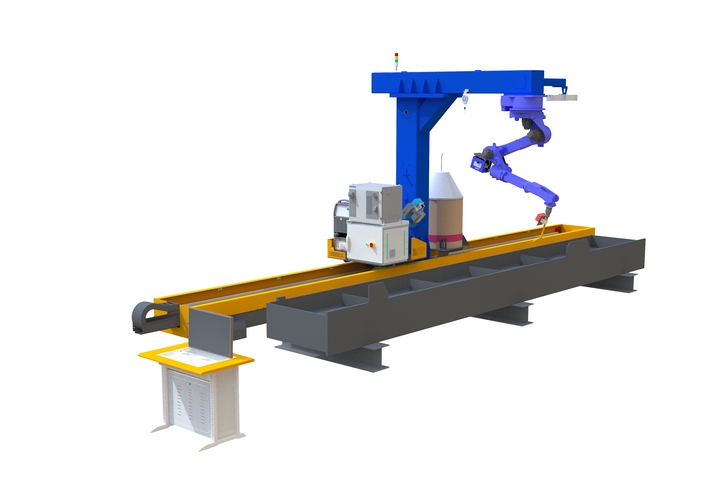 No Programming Required Robotic Welding Systems for H beam Welding Line